What is the best creatine and why do you need it?
Creatine is one of the most popular dietary supplements on the market today, and for good reason.
It has been shown to increase muscle size and strength, enhance endurance, and improve overall exercise performance.
The body naturally produces creatine, primarily in the liver, pancreas, and kidneys. Additionally, it can be found in trace amounts in some meals including meat and fish.
The body transforms creatine into phosphocreatine, which is then stored in muscle tissue. When the body is in need of energy, phosphocreatine is broken down to produce that energy.
Athletes and bodybuilders frequently utilize supplemental creatine to develop muscle and enhance performance.
Most people often consume creatine as either capsules or flavorless powder mixed with water or a protein shake.
It is believed to function by making more phosphocreatine available in the muscles, which enables the body to make more ATP (adenosine triphosphate).
Since ATP serves as the main energy source for muscular contractions, raising ATP levels may enhance muscle contraction and improve exercise performance.
There is some evidence to support the idea that creatine products may be especially advantageous for some forms of exercise, such as quick, high-intensity exercise.
To fully comprehend the impact of taking creatine on exercise performance, more research is necessary.
Despite the fact that creatine is generally regarded as safe, some people may have negative effects include weight gain and gastrointestinal discomfort.
Some companies even say that it helps with cognitive brain function, although this claim hasn’t been approved with the FDA.
With so many different variations of creatine supplements available, it can be hard to decide which one is best for you.
Whether you’re looking for the best creatine supplement while you’re on a budget, the best creatine powders, the best creatine capsules, the best flavored creatine supplement, or the absolute best quality supplement on the market, in this article, we’ll take a look at the best creatine supplements available and how they can help you build lean muscle mass and reach your fitness goals.
Do I need a loading phase?
Some creatine users go through a “loading phase” when they first start taking the supplement.
They take higher doses of creatine for several days to a week during this phase to quickly saturate their muscles with the compound.
After the it is completed, they switch to a lower maintenance dose.
Experts disagree about whether loading is necessary or beneficial.
Some research suggests that it may help to increase muscle creatine levels more quickly, while others claim that it provides no additional benefits over a longer, lower-dose supplementation period.
What is the most effective creatine supplement?
Creatine Monohydrate
Creatine monohydrate is the most popular form of creatine for good reason and has been around for decades.
It is typically the most affordable and widely available form of creatine, so it’s no surprise that most creatine supplements use this specific form of creatine.
It has been shown to help increase muscle size and strength, improve endurance, and enhance overall athletic performance.
As it’s also relatively easy to absorb, creatine monohydrate a great option for those looking to get the most out of their supplementation and possibly makes it easier for your body to digest than many other compounds.
Creatine monohydrate is the form of creatine that I would recommend for most people that are looking to use a creatine supplement for muscle building, because it’s been around longer and studied more extensively than any other type of creatine supplement on the market.
Creatine Ethyl Ester
Creatine ethyl ester is a newer form of creatine that is said to be more bioavailable than creatine monohydrate.
This means that it is easier for your body to absorb, which can result in greater gains in muscle size and strength.
It has also been shown to improve endurance and help with muscle recovery.
It is generally more expensive than creatine monohydrate, but some may think it’s worth the extra cost for those who are looking for an extra edge.
Creatine hydrochloride
Creatine hydrochloride is another form of creatine that is said to be more easily absorbed than other forms.
It has been shown to be beneficial for improving athletic performance, muscle size and strength, and endurance.
It can also help with muscle recovery and is typically more affordable than other forms of creatine.
Creatine Citrate
Creatine citrate is a form of creatine that is bound with citric acid, making it easier to absorb.
It is said to be more rapidly absorbed than other forms of creatine and has been shown to help improve athletic performance, muscle size and strength, and endurance.
Creatine citrate is typically more expensive than other forms of creatine and may not be the best option for those on a budget.
Creatine Malate
Creatine malate is a form of creatine molecule that is bound with malic acid, a naturally occurring organic compound.
It is said to be more effective at delivering creatine to the muscles, resulting in greater gains in muscle size and strength.
It has also been shown to improve endurance and help with muscle recovery.
Creatine malate is generally more expensive than other forms of creatine, but it may be worth the extra cost for those looking for an extra edge.
The Key Takeaway
No matter which forms of creatine supplements you choose, it’s important to remember to take it consistently and as directed.
Other types of creatine supplements include creatine nitrate, creatine magnesium chelate, and creatine anhydrous.
For the sake of reliability, I won’t be including any of these into the top ten best creatine supplements.
Feel free to try any of them, but be wary of the lack of evidence around their effectiveness.
Be sure to drink plenty of water throughout the day and follow a balanced diet for best results.
With the right combination of diet, exercise, and supplementation, you can achieve astounding muscle growth with the help of the best creatine supplements.
Micronized Creatine Monohydrate
This is simply a finer form of creatine monohydrate. It has been ground into smaller particles, which makes it easier to mix into water or other beverages.
Some people find that creatine monohydrate’s micronized form is less likely to cause digestive issues, such as bloating, compared to non-micronized creatine monohydrate.
However, there is no scientific evidence to suggest that micronized creatine is more effective at building muscle mass than non-micronized creatine.
It is the main ingredient in all of the creatine supplements on this list purely because of how much proof there is its effectiveness compared to other creatine molecules, and is the best option for creatine supplementation for a large margin of people.
Optimum Nutrition Micronized Creatine Monohydrate Powder

Best Creatine *In My Opinion*
This is the creatine powder that I use personally.
You can’t really go wrong with it, and in my opinion, this is the best overall creatine supplement on this list.
High quality, affordable price,
This supplement is made with only Creapure creatine monohydrate, a high-quality, micronized form of creatine.
To top it off, there are no added fillers, which makes it a suitable option for any dietary restriction that you could have, as it’s both vegan friendly and halal.
It is available in a powder form but I stand by this supplement being the best creatine capsules you could possibly buy.
Per serving, there are 5 grams of creatine in a rounded teaspoon or two capsules.
Klean Athlete Klean Creatine
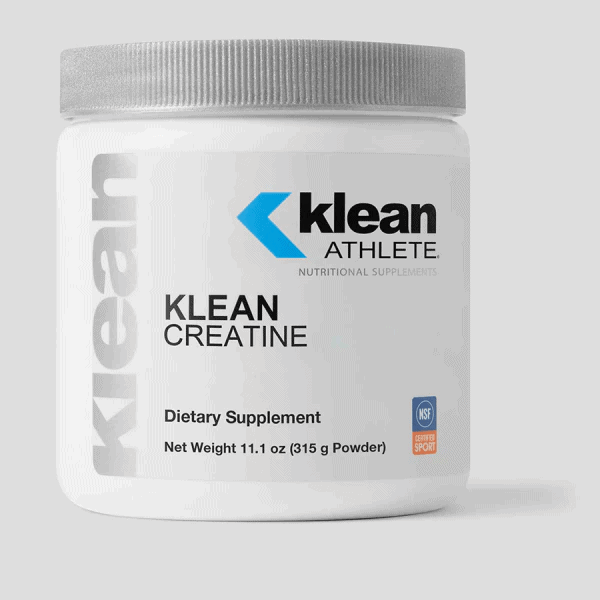
Klean Athlete’s runner-up for best overall creatine supplement is ideal for those looking for a simple yet high quality creatine product.
Klean Creatine, like most other Klean Athlete products, is NSF Certified for Sport to ensure that it meets stringent quality standards.
It’s flavorless and easy to incorporate into smoothies, shakes, and juices.
There are 5 grams of creatine monohydrate per serving.
MuscleTech Platinum Creatine Monohydrate
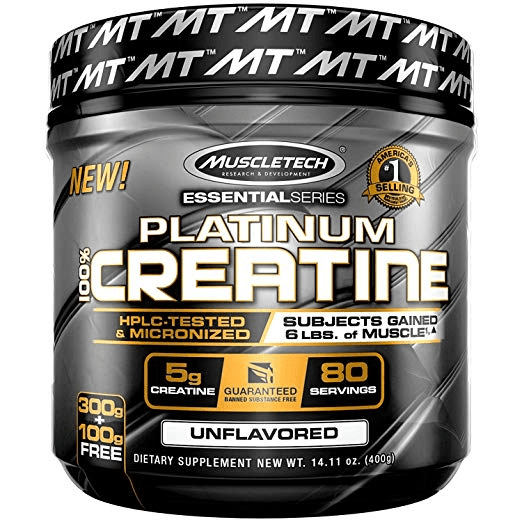
A high quality creatine supplement for the money and a notable entry on this list, this supplement is micronized, and comes in an unflavored powder that blends effortlessly into your beverage of choice.
Aside from BulkSupplements, this is prime contender for the best creatine supplement for your buck out of this whole list.
The only negative to be said about this supplement is it’s lack of NSF certified for sport approval.
Per serving, there is 5 grams of creatine monohydrate.
MyProtein Creatine Monohydrate
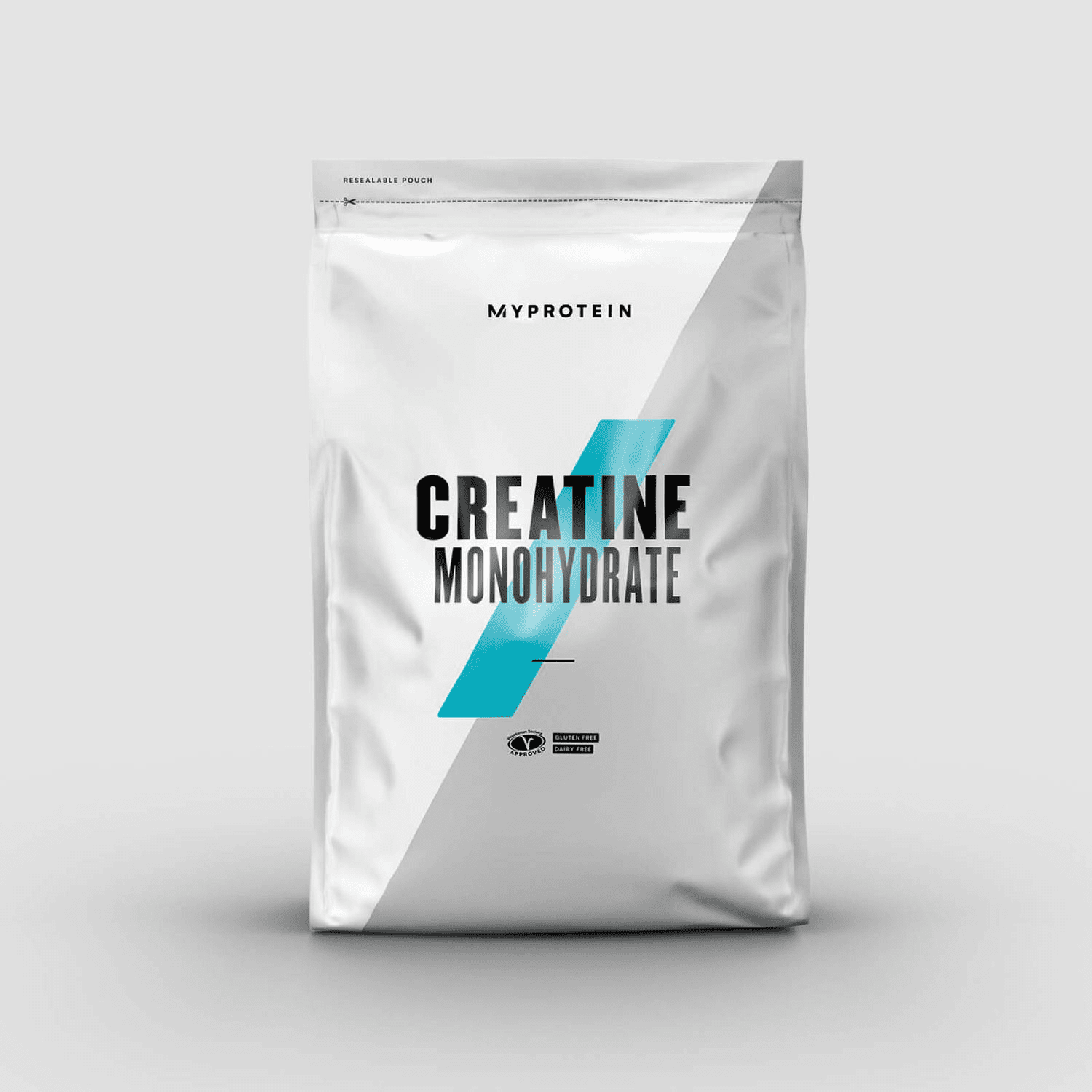
This is the debatably the highest quality of the creatine supplements on this list, as it uses the same key ingredient in their supplement as Optimum Nutrition.
As it’s only ingredient is creapure creatine monohydrate, there are no fillers or additives, only micronized creatine powder.
It is without a doubt one of the highest quality creatine supplements.
It not being NSF certified for sport and it’s higher price are the only complaining points you can find for this supplement.
Cellucor Cor-Performance Creatine
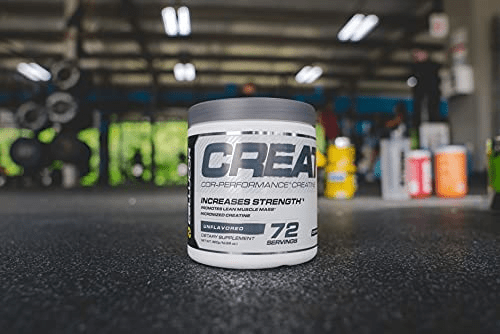
When it comes to the best post-workout creatine, Cellucor COR-Performance is at the top of our list.
This is basic, unflavored creatine at an affordable price (less than $0.50 per serving).
COR-Performance is a micronized powder that mixes better and faster than other creatine supplements with larger granules.
Before, during, or after weight training, one scoop mixed with eight to ten ounces of water or an electrolyte beverage can help build and maintain lean muscle mass.
It also has no caffeine or calories.
Cellucor is a reputable supplement manufacturer with over 20 years of experience.
It manufactures its products in GMP-compliant facilities.
GMP stands for “Good Manufacturing Practices,” and it means that manufacturing facilities must adhere to FDA guidelines to ensure the quality and purity of drug products.
It contains 5 grams of creatine monohydrate per serving.
BulkSupplements Pure Creatine Monohydrate Powder
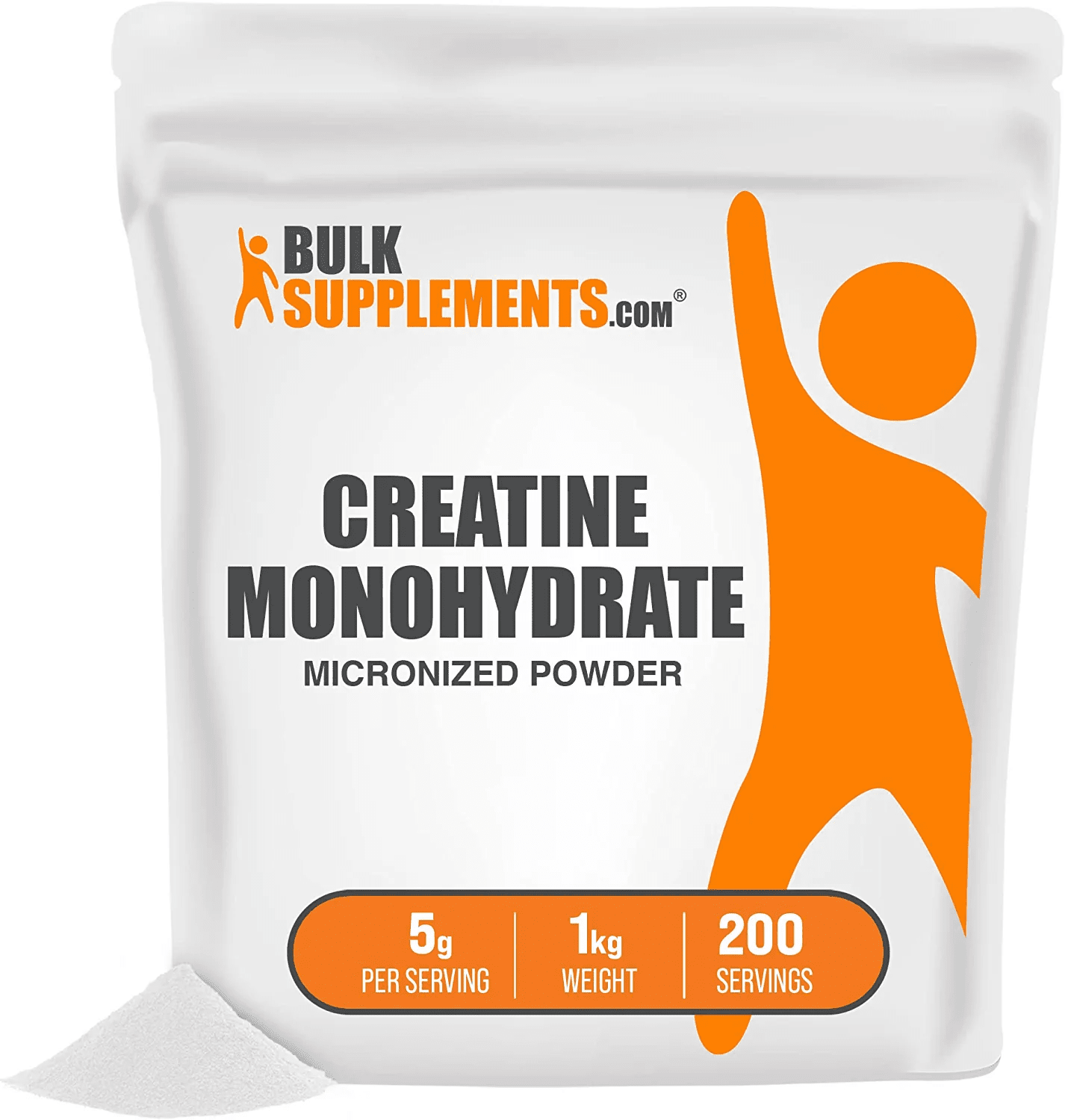
The best creatine powder if you’re on a budget is BulkSupplements Pure Creatine Monohydrate Powder.
It is a highly pure, micronized creatine powder that is unflavored, meaning it can easily be added to shakes or other drinks.
It’s also affordable and available in large quantities, making it great for those that are trying to stock up without breaking the bank.
Furthermore, upon request, BulkSupplements can provide a certificate of analysis (COA). A certificate of authenticity (COA) is a detailed document that contains information about a product’s quality, strength, and specifications.
It contains 5 grams of creatine monohydrate per serving.
JYM Supplement Science Pre-Workout

This is a unique entry on this list, as it’s one of the only supplements that uses creatine hcl, it comes in three flavors, and it’s the only supplement that isn’t strictly creatine.
JYM Supplement Science’s pre-workout blend boasts an impressive blend of ingredients, and a pretty hefty price point to match it.
This supplement consists of:
Muscle Matrix
- 4 grams of Creatine HCl
- 4 grams of Beta Alanine
- 3 grams of Betaine (from Trimethylglycine, Betaine Nitrate)
- 6 grams of BCAAs in a 2:1:1 ratio
- 1 gram of Taurine
Pump Agents
- 8 grams of Citrulline Malate
- 2 grams of Citrulline Nitrate (as NO3-T®)
- 1 grams of Betaine Nitrate (as NO3-T®)
- 180 milligrams of Pine Bark Extract (Pinus pinaster)
Energy & Nootropics
- 1.5 grams of L-Tyrosine
- 300 milligrams of Caffeine (as Caffeine Anhydrous)
- 300 milligrams of Alpha-Glyceryl Phosphoryl Choline
- 100 milligrams of Methylliberine (as Dynamine®)
- 100 milligrams of Theanine
- 25mg milligrams of Theacrine (as TeaCrine®)
- 50 micrograms of Huperzine A
Some may think the assortment of chemicals to be excessive and unnecessary, but for those that want a complete pre workout supplement or a flavored way to get their creatine, this supplement has earned a spot on this list.
Per serving, this supplement has 4 grams of creatine hcl
Transparent Labs Creatine HMB
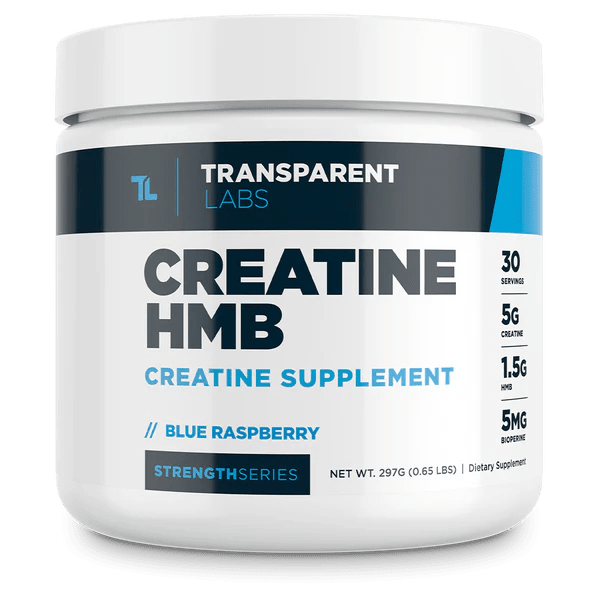
Transparent Labs Creatine HMB goes a step further than your average creatine supplements.
It contains 5,000 mg of creatine monohydrate, 1.5 g of beta-hydroxy beta-methyl butyrate (HMB), and vitamin D.
BioPerine, a black pepper fruit extract, is added to help your body absorb the other ingredients.
HMB is a byproduct (metabolite) of the amino acid leucine. It aids in muscle recovery after intense exercise by preventing muscle breakdown.
According to one study, combining creatine and HMB can increase muscle mass and strength more effectively than either ingredient alone, as well as preventing muscle protein breakdown.
Transparent Labs Creatine HMB has been tested for purity by a third party. It’s also all-natural and stevia-sweetened.
Thorne Research Creatine Serum
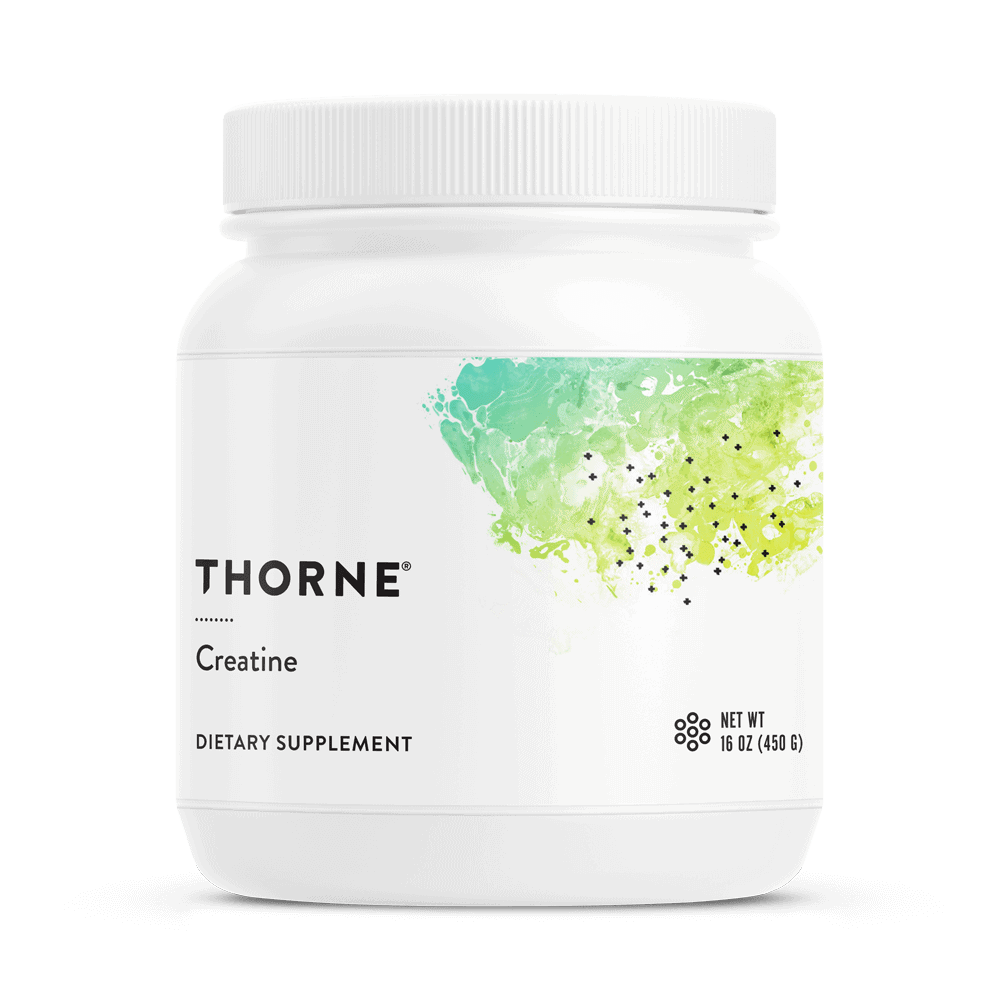
The goal of Thorne Research is to create supplements of the highest caliber from sources that are sustainable.
Because of its reasonable cost, use of premium creatine monohydrate, and NSF Certified for Sport status (meaning it has undergone independent testing to ensure it is free of harmful contaminants and specific substances that are banned for athletes), Thorne research is debatably the best saved for last.
Many people would rank this as the best overall creatine supplement on this list.
Additionally, it is devoid of the main allergens gluten, soy, dairy, yeast, and others.
Per serving, there is 5 grams of creatine in each scoop, and is only available in powder form.
Possible Side Effects of Taking Creatine
One of the most commonly reported side effects of creatine is a temporary increase in fluid retention, which may be due to the osmotic properties of creatine.
Creatine supplementation has also been linked to weight gain, particularly during the loading phase. However, rather than an increase in body fat, this could be due to increases in muscle mass and water retention.
Other anecdotal side effects associated with creatine supplementation include digestive problems, muscle cramps caused by dehydration, and problems with the kidneys or liver
However, there is no evidence that creatine causes any of these side effects, according to the International Society of Sports Nutrition (ISSN).
Is it okay to take creatine every day?
There is no evidence that taking creatine on a daily basis poses any risk to your health.