Is Creatine Natty? Can a Natural Lifter Take Creatine For Hypertrophy, or Is It a Drug?
If you are into fitness and bodybuilding, you have probably heard of creatine.
Creatine is one of the most widely used supplements in the world, and for very good reason. It has been shown to enhance muscle strength, power, endurance, and recovery.
But is creatine natty?
This is a question that many people ask, especially those who want to achieve their fitness goals without using any banned or harmful substances. In this article, we will explore the meaning of natty, the origin and nature of creatine, and whether or not it is generally considered a natural or artificial substance.
What Does the Word Natty Mean? Are You Still Natty If You Take Creatine?
Natty is a slang term that typically means natural, which refers to people who build muscle mass and athletic prowess without using anabolic steroids or other banned substances.
In this article, we will focus on the first meaning of natty, as it relates to fitness and bodybuilding. Natty is a term that is widely used in the fitness community to refer to athletes who do not use performance-enhancing drugs (PEDs).
PEDs are substances that artificially enhance the physical or mental abilities of an athlete, such as anabolic steroids, human growth hormone (HGH), erythropoietin (EPO), stimulants, and diuretics.
Therefore, most people would consider bodybuilders who don’t use PEDs but are taking creatine or some other dietary support such as protein powder to be natural bodybuilders.
Natty athletes are those who achieve their physique and performance solely by diet, strict workout routines, and supplements that are approved by the world anti-doping agency (WADA).
WADA is the international organization that regulates and monitors the use of PEDs in sports. WADA publishes a list of prohibited substances and methods that are banned for athletes in competition and out of competition.
The term natty can also be an adjective applied to supplements that are natural or derived from natural sources, without added artificial ingredients.
However, the definition of natural can vary depending on the source, the processing method, and the regulation of the dietary supplement industry. Therefore, some supplements may be considered natty by some people and not by others.
What Is Creatine? What Are The Benefits Of Creatine?
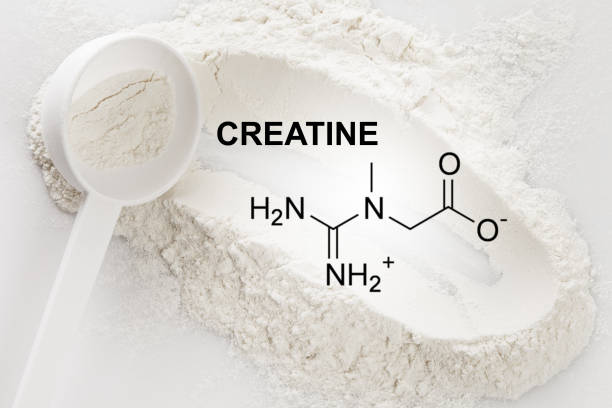
I’m happy to inform you that creatine is a natural substance that is produced by the human body in the liver, kidney, and pancreas, as well as being found in certain foods.
Creatine is composed of three amino acids: arginine, glycine, and methionine. Amino acids are the building blocks of proteins, which are essential for muscle growth and repair.
With that said, It’s safe to say by any reasonable definition that creatine is not a drug.
However, the main thing that can be argued is the sheer amount of creatine consumed in supplements to be unnatural compared to the places it’s naturally sourced.
It’s not like SARMS, or whatever other weird over the counter steroid alternative people are doing nowadays, and I’d be lying if I said that creatine will significantly enhance athletic performance and causes rapid muscle gain like PEDs of that nature do.
Creatine is mainly stored in the muscles as phosphocreatine (PCr), which is a high-energy molecule that helps regenerate adenosine triphosphate (ATP), the primary energy source for muscle contractions.
By increasing the availability of PCr and ATP in the muscles, creatine can help improve strength and power output, endurance, and recovery during high-intensity exercise.
In other words, creatine helps give you energy for those last few reps that really count in your training.
Creatine can also increase water retention in the muscles, which can make them look juicy and fuller. Additionally, creatine can stimulate protein synthesis, which is the process of creating new muscle cells from amino acid.
There’s scientific evidence that creatine is safe to take on a daily basis can also reduce muscle breakdown, which is the process of losing muscle mass due to stress or inactivity.
Creatine is naturally found in small amounts in food sources such as meat, fish, eggs, and dairy products. However, the amount of creatine in these foods is relatively low compared to the amount that can be consumed through supplements.
For example, one kilogram of raw beef contains about 5 grams of creatine, while one teaspoon of creatine powder contains the exact same amount.
Creatine supplements are usually sold as powders, capsules, tablets, or liquids. The most common form of creatine supplement is creatine monohydrate, which is creatine fused with one molecule of water.
This is the most easily digestible form of creatine and the kind that I would recommend.
Other forms of creatine found in supplements include creatine hydrochloride (HCl), creatine ethyl ester (CEE), creatine nitrate (NO3), creatine malate (MAL), and creatine magnesium chelate (MAG). These forms may differ slightly in solubility, absorption rate, stability, and effectiveness.
Is Creatine Natty?
The answer to this question depends on how you define what counts as natty and how you view creatine as a supplement.
If you define natty as not using any banned or harmful substances, then yes, creatine is natty. Creatine is not banned by WADA or any other major sports governing body.
Creatine is also generally safe to use for healthy adults when taken as directed. Although some minor adverse side effects such as bloating, cramps, nausea, diarrhea, and dehydration may occur in some people, these can be avoided by drinking enough water and following proper dosage guidelines.
If you define natty as only using substances that are naturally produced by the body or found in food, then yes, creatine is natty. Creatine is naturally produced by the body and found in certain foods.
Creatine supplements are derived from natural sources such as animal products or plants. Creatine supplements are not synthetically made or chemically altered.
Creatine Counts Only If You Think It Does.
However, if you define natty as only using substances that are not processed or refined, then no, creatine is not natty. Creatine found in supplements is processed and refined to increase its purity, potency, and bioavailability.
Supplemented creatine is not the same as creatine that is naturally found in the body or in food. Creatine supplementation is more concentrated and more effective than natural creatine.
Therefore, whether or not creatine use affects an athlete’s natty status depends on your perspective and preference. Some people may consider creatine as a natural and harmless supplement that can enhance muscle growth and performance.
Others may argue creatine to be an artificial and unnecessary measure that can interfere with their natural and holistic approach to fitness and health.
If you’re a strict purist that doesn’t believe creatine is needed for physical enhancement, that’s perfectly fine. I would say you can get a decent amount of creatine naturally in your diet if you incorporate plenty of red meat and chicken.
However, I wouldn’t say that it even enhances performance enough to be considered in the same class as actual PEDs, but that’s just me personally.
Should I Take a Creatine Supplement?
Ultimately, the choice is yours. You can decide for yourself whether or not you want to use creatine as a supplement. If you decide that you do, I have a list of my favorite creatine supplements here.
You can decide for yourself whether or not you want to compete in natty or non-natty bodybuilding competitions. You can also decide for yourself whether or not you want to follow the rules and regulations of WADA or any other sports governing body. You get one human body, and what you do with it is completely up to you.
However, I would advise that if someone doesn’t workout or lift weights at all, taking creatine isn’t going to guarantee any results for the user.
Sure, creatine helps, but no matter what you take, if you don’t balance your diet and supplement intake with hard work and push yourself, you’re taking those supplements for nothing.
Whatever you decide, make sure you do your own research, consult your doctor, and use creatine responsibly and ethically.
In Conclusion
Creatine is a popular supplement that can improve muscle strength, power, endurance, and recovery. It is a natural compound that is produced by the body and exist in certain kinds of food, particularly meat.
Creatine supplements are derived from natural sources but are processed and refined to increase their effectiveness.
Whether or not creatine is natty depends on how you define natty and how you view creatine as a supplement. Some people may consider creatine supplementation as a natural and harmless way to enhance their fitness and performance.
Others may consider creatine as an artificial and unnecessary supplement that doesn’t align with their natural and holistic approach to fitness and healthier living.
The choice is yours. At the end of the day, you’ll decide for yourself whether or not you want to use creatine as a supplement.
It’s also completely up to you whether you want to compete in natty or non-natty bodybuilding competitions and follow the rules and regulations of WADA or any other sports governing body, or supplement creatine for your training in privacy.
Whatever you may decide, it’s always a good idea to do your own research, consult your doctor or primary healthcare specialist, and use creatine responsibly and ethically.
We hope this article has helped you understand the truth about creatine and its nattiness. If you have any questions or comments, feel free to leave them below. Thank you for reading!